How clean does your recycling need to be?
How clean does your recycling need to be?
We’ve all wondered—how spotless does a jar or bottle need to be? We’ve got the answers for some common recyclable items so that you can eliminate gunk that could contaminate the whole recycling system.
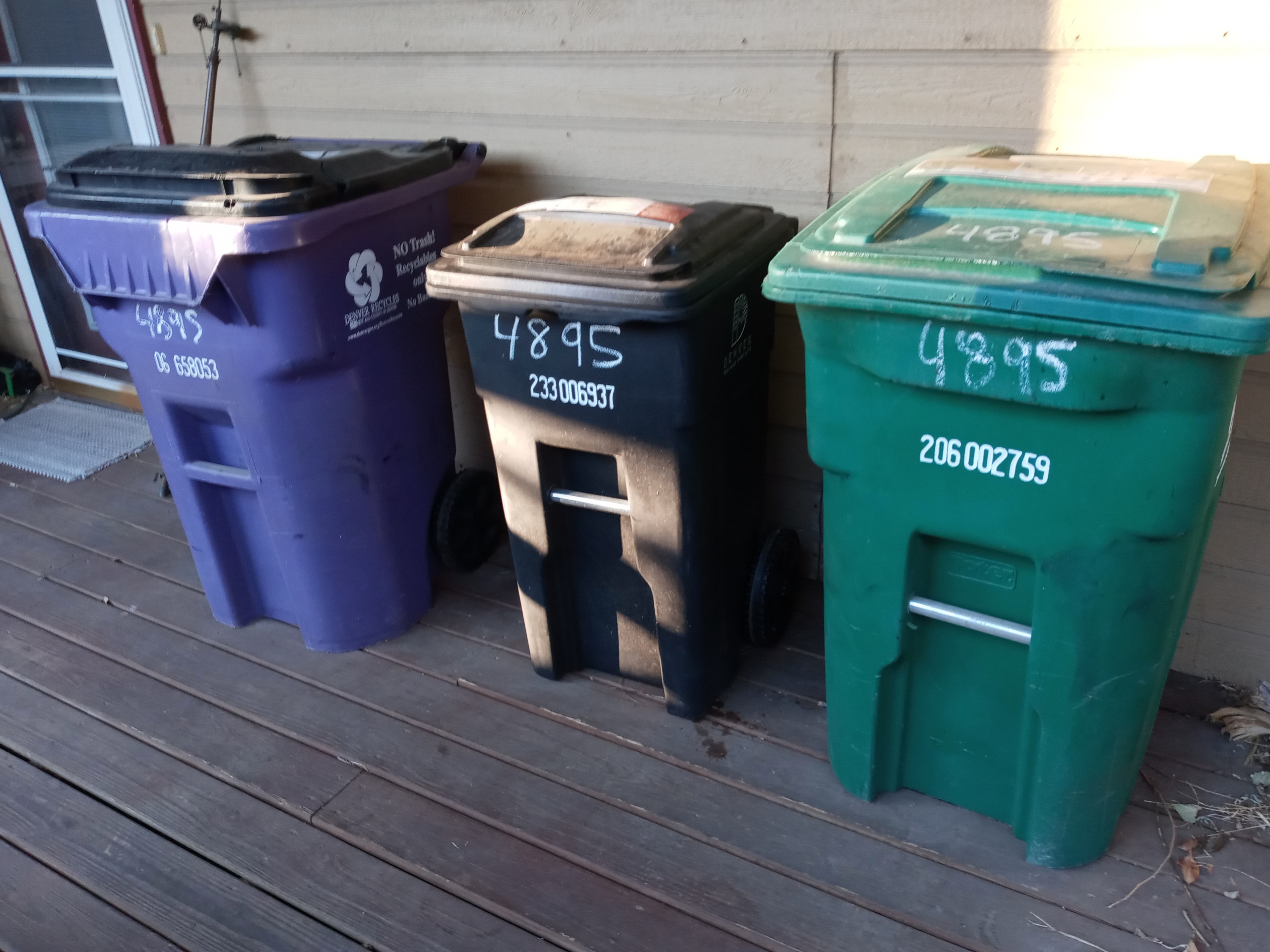

At one point or another, we’ve all debated whether a container was clean enough to be recycled.
We all know it’s important to recycle as much as you can.
But it’s also important to know when something like a peanut butter jar or a pizza box can’t be recycled.
If you put gunky, oily and greasy things into your recycling bin, there’s a real chance that they’ll contaminate your recyclables and everything you put in your bin could just get trashed.
And it may contaminate even more things. When the items in your recycling bin make it to a processing facility, recyclables have to be sorted from any non-recyclables. This means that just one dirty item in your bin could contaminate hundreds of others, forcing the recycling facility to redirect recyclables to a landfill instead.
Luckily, it’s relatively easy to avoid contamination in your recycling bin. We’ve put together a guide for how clean some common recyclables need to be so you can keep your bins contamination-free.
How clean do peanut butter jars need to be?
Peanut butter jars need to be pretty clean to be recycled, but they don’t have to be spotless—just close.
When you’re done with a jar of peanut butter, be sure to scrape out as much leftover peanut butter residue as you can. After that, make sure to wash the jar with hot water so there aren’t any big globs left.
If your peanut butter jar is made of glass, it can be recycled with confidence because glass is valuable and can be recycled over and over into another jar.
If it’s made of plastic… that depends more on who collects your recycling. Plastic is less valuable and less likely to have a long recycled life. If you are in Denver, they do collect and recycle plastic jars. But make sure you check with your recycler.
What’s Recyclable and Compostable?
How clean do metal cans need to be?
Metal and aluminum are some of the most recyclable materials, so you can easily recycle cans made of those materials—but not before cleaning them out.
You want the cans to be clean enough that stuff doesn’t ooze out of them. So, whether your cans contain soup, beans or another kind of food, you should scrape out any leftover food and then wash it briefly with hot water.
It’s alright if there are still a couple of small spots of residue still in there after you scoop it and wash it, as long as it doesn’t ooze or leak out.
How clean do milk cartons need to be?
When you recycle milk jugs and cartons, they should not have any liquids inside.
To ensure there’s no leftover milk inside, you should rinse cartons and jugs out with hot water to clean them.
Don’t leave any liquid inside—even if it’s the water you used to wash the carton or jug out. Leftover water that leaks out can damage other recyclables like cardboard and paper.
Many local recycling systems can collect and recycle milk jugs and cartons. The Carton Council has a way to see if you can recycle it in your area.
How clean do pizza boxes need to be?
Cardboard pizza boxes are recyclable, but there’s a standard of cleanliness that separates recyclable pizza boxes from non-recyclable pizza boxes.
If your pizza box has a few crumbs and very small grease spots, it’s recyclable!
Make sure to clean off any large food debris and double-check that any grease spots are small—think a few drops here and there.
Do not recycle your pizza boxes if they have larger patches of visible grease stains on them. These larger stains contaminate the surrounding cardboard, and excess grease could contaminate other recyclables.
If you have a pizza box with a grease stain on the bottom but not the top, you could also cut the top of the box off, recycling the top and throwing away the bottom.
How clean do takeout containers need to be?
Takeout containers need to be pretty clean. Make sure there is no leftover food or liquids that can ooze out and contaminate other materials in the recycle bin.
What they’re made of also matters depending on who your recycler is.
For example, in Denver, they don’t accept styrofoam, paper take-out containers or compostable containers. The city is currently accepting hard plastic containers.

How clean do aluminum foil wrappers need to be?
Aluminum foil wrappers are recyclable as long as they’re clean. Make sure to remove any leftover pieces of food and residue from sauces or oils. If there’s too much residue, don’t risk contaminating your recycling bin—toss it in the trash.
You can rinse foil wrappers off, but be careful not to break them into smaller pieces—that limits the reuse potential of recyclables. After rinsing, lightly dry the foil to remove excess moisture.
Once the foil looks close to new, you can ball it up and drop it in your recycling bin.


State of Recycling and Composting in Colorado
Colorado’s state of recycling
Oftentimes, spending just a little time cleaning a container can eliminate contamination and keep your items out of the landfill.
Based on Colorado’s 15% recycling rate—i.e. the amount of our waste that’s actually recycled—washing our containers is a small way we can all make a big difference.
You can learn more about what is and isn’t recyclable in our What’s Recyclable and Compostable? article, which covers just about every item you could think of.
And good news—Colorado is implementing a new recycling program called Extended Producer Responsibility which will create a statewide recycling list, making it easier for all of us to know what is and isn’t recyclable.
Authors
Easton Lane
Former Campaign Associate, CoPIRG Foundation
Danny Katz
Executive Director, CoPIRG Foundation
Danny has been the director of CoPIRG for over a decade. Danny co-authored a groundbreaking report on the state’s transit, walking and biking needs and is a co-author of the annual “State of Recycling” report. He also helped write a 2016 Denver initiative to create a public matching campaign finance program and led the early effort to eliminate predatory payday loans in Colorado. Danny serves on the Colorado Department of Transportation's (CDOT) Efficiency and Accountability Committee, CDOT's Transit and Rail Advisory Committee, RTD's Reimagine Advisory Committee, the Denver Moves Everyone Think Tank, and the I-70 Collaborative Effort. Danny lobbies federal, state and local elected officials on transportation electrification, multimodal transportation, zero waste, consumer protection and public health issues. He appears frequently in local media outlets and is active in a number of coalitions. He resides in Denver with his family, where he enjoys biking and skiing, the neighborhood food scene and raising chickens.
https://pirg.org/colorado/foundation/articles/how-clean-does-your-recycling-need-to-be/

Comments
Post a Comment